
HONDA SUMMER EVENT HAPPENING NOW
BROWSE INVENTORY
Author: Johnson Honda of Stuart
Welcome, Stuart drivers! At Johnson Honda of Stuart, we know that maintaining your Honda is not just about keeping it running; it’s about ensuring it thrives in our unique coastal environment. With decades of service experience, we’ve crafted this maintenance guide specifically for you, taking into account the driving conditions along US-1 and the seasonal weather patterns that affect our area. Whether you're commuting to Fort Pierce, heading over to Jensen Beach, or navigating the charming streets of Palm City and Port St. Lucie, understanding your vehicle's needs is essential for optimal performance.
This guide reflects our commitment to tailoring Honda’s recommended service schedule, ensuring it aligns with the local roads and climate. From the salt air that can impact your vehicle to the bustling traffic on South Dixie Highway, we’re here to help you keep your Honda in peak condition for all your adventures in and around Stuart.
Why Should You Follow a Maintenance Schedule for Your Honda?
Following a maintenance schedule is crucial for protecting your investment and ensuring your Honda remains dependable for your daily drives around Stuart. The local climate, with its heat and humidity, can significantly affect your vehicle’s fluids, belts, and filters. For instance, the high humidity can dilute engine oil and coolant, while the spring pollen can easily clog air filters, impacting your vehicle’s performance and efficiency. Regular maintenance directly addresses these challenges, keeping your Honda in top shape.
By adhering to the recommended service intervals, you not only enhance your vehicle's performance and fuel efficiency but also bolster safety. Whether you're navigating the busy streets of downtown Stuart or taking a weekend trip to Stuart Beach, a well-maintained Honda, like the CR-V or Accord, can handle local conditions with ease. It’s not just about preventing breakdowns; it's about ensuring your vehicle operates as designed, providing you with peace of mind on every journey. For more insights on vehicle care, resources like Edmunds offer a wealth of information.
How Does Honda’s Service Reminder System Work?
Many Honda vehicles notify drivers when it's time for maintenance, using either a time/mileage-based reminder or a system that adjusts based on vehicle usage, depending on the model and year. This approach ensures that you stay informed about necessary services, helping to maintain your vehicle's performance.
When maintenance is due, drivers typically see a dashboard message, a service indicator like a wrench light, a maintenance reminder, or an oil-life percentage displayed. The specifics of these notifications can vary between different models and trims, so it's essential to consult the owner's manual for detailed guidance. Additionally, driving patterns in areas around Stuart and Fort Pierce, including short trips, stop-and-go traffic on US-1, or towing in various temperature swings, may influence how frequently maintenance is needed.
What Does the Primary Service Reminder Mean?
Understanding your vehicle’s service reminder system is essential, and the primary service reminder plays a key role in that. This reminder serves as a high-level alert indicating that scheduled maintenance is either due or approaching. Depending on the make and model, some vehicles may present this as a simple alert or light, while others might provide more detailed information through a maintenance menu or display settings. For specifics regarding what services are due, consult your owner’s manual or the in-vehicle maintenance screen.
Primary reminder: A general signal to check your vehicle’s maintenance schedule and plan for upcoming service. This reminder indicates that maintenance is necessary, though it may not specify every individual item.
Additional details (if shown): Some vehicles offer further context with a maintenance display, percentages, descriptive messages, or icons that help clarify what requires attention. If your vehicle provides these details, use them in conjunction with the owner’s manual for a complete understanding of recommended services.
What Do Additional Service Indicators Mean?
Some vehicles offer more than just a primary service reminder. They may display additional indicators like extra items, symbols, or menu entries that help clarify what services are upcoming. While these indicators can help you understand maintenance needs, their meanings can vary significantly depending on the specific vehicle. Below are common examples of service items that some vehicles might show; always check your owner’s manual or vehicle display for precise details.
- Tire rotation: Regular tire rotation helps ensure even tread wear, which is especially important for those navigating the stop-and-go traffic on South Dixie Highway or taking longer drives to Stuart Beach.
- Engine and cabin air filters: These filters maintain proper airflow to the engine and ensure clean air inside the cabin. In areas like Fort Pierce and Port St. Lucie, where pollen and dust can be high, keeping these filters clean is crucial for performance.
- Transmission fluid: Monitoring transmission fluid is vital for long-term maintenance. In Stuart, frequent short trips and hilly driving can put extra strain on the transmission, making this check important.
- Spark plugs and valve clearance check (when applicable): Spark plugs may need replacement at certain intervals, and some engines also require a valve clearance check. These services are often highlighted for vehicles that are approaching higher mileage.
- Engine coolant: Coolant plays a key role in regulating engine temperature. During warm summer months in Palm City or extended highway driving, ensuring your coolant is at the proper level is essential to prevent overheating.
- Rear differential fluid (AWD/4WD, if equipped): For vehicles with all-wheel or four-wheel drive, servicing the rear differential fluid is important, especially if you often drive in wet conditions or on uneven surfaces in the local area.
- Brake fluid: As brake fluid ages, it can absorb moisture, which may impact braking performance. If your vehicle indicates it’s time for a brake fluid service, it’s essential to follow the recommended maintenance intervals.
What is a Typical Honda Service Schedule for Stuart Drivers?
Even with the convenience of in-vehicle service reminders, understanding a typical maintenance schedule is beneficial for planning ahead. This outline serves as a useful reference to complement your owner's manual and any service reminder systems your Honda may have.
What Services Are Needed in the First 30,000 Miles?
During the initial 30,000 miles of ownership, drivers typically focus on foundational services such as routine oil changes, tire rotations, and air filter maintenance. The specific timing for these services can vary based on the Honda model, driving patterns, and recommendations in the owner's manual.
Oil service: Most Honda vehicles may require an oil change periodically. If you frequently navigate through busy streets or deal with stop-and-go traffic, you might find that your vehicle benefits from more frequent oil changes compared to those utilized mainly for highway driving.
Tire rotations and filters: Regular tire rotations are a common practice early on to ensure even tire wear. It's also essential to keep an eye on your engine and cabin air filters, especially given the high pollen and dust levels from nearby construction and seasonal changes.
What Maintenance Should Be Done Between 30,000 and 60,000 Miles?
As your Honda vehicle approaches the 30,000 to 60,000 mile mark, maintenance needs shift from basic upkeep to more involved services aimed at protecting essential systems. The specific recommendations can vary based on your model, powertrain, and driving habits, so it’s crucial to consult your owner’s manual and in-vehicle maintenance alerts for tailored guidance.
Transmission fluid: Maintaining clean transmission fluid is vital for ensuring smooth gear shifts and prolonging the life of your vehicle’s transmission, which is one of its most intricate components.
Brake fluid, brakes, and tires: Brake fluid can degrade over time, impacting braking performance. It’s essential to conduct regular inspections of your brakes and tires, especially given the varied driving conditions around Fort Pierce and Jensen Beach. Whether you're commuting on U.S. Route 1 or enjoying scenic drives near the St. Lucie River, a well-maintained braking system and proper tire condition are key for safe handling and stopping. If you're interested in exploring vehicle reliability and owner experiences, check out Consumer Reports.
What Major Services are Required Approaching 100,000 Miles?
As vehicles near the 100,000-mile mark, certain larger maintenance services often come into play. However, the exact requirements can differ based on the Honda model and its engine type, so it's essential to consult your owner’s manual for specifics tailored to your vehicle.
Spark plugs: Replacing spark plugs can help maintain efficiency and ensure smooth operation.
Timing belt (if equipped) and coolant service: Some engines may feature a timing belt that has a scheduled replacement interval, while others utilize timing chains that generally do not require routine replacement. Additionally, coolant service is advised to protect the cooling system from corrosion and overheating over time.
Why is Local Expertise Important for Servicing Your Honda?
Having a service team that understands the unique climate and driving conditions of Stuart, FL, brings undeniable advantages for maintaining your Honda. The intense summer heat and humidity can take a toll on your vehicle's air conditioning and engine performance, while the local pollen and clay soil can clog air filters more quickly than in other regions. Our technicians at Johnson Honda of Stuart are well-versed in these specific challenges, routinely inspecting for wear patterns that arise from navigating busy streets like US-1 or SR-76, as well as the more rural routes connecting to neighboring areas.
Local expertise means our team knows how to prepare your Honda for the realities of Stuart's environment. For instance, they are adept at identifying signs of wear that might be exacerbated by the coastal salt air or the seasonal flooding that can occur during hurricane season. This attention to detail ensures that your vehicle remains reliable, safe, and efficient throughout the year. For additional automotive safety resources, you can visit the National Highway Traffic Safety Administration (NHTSA) website and the official Honda Owners site for model-specific information.
Frequently Asked Questions (FAQs)
How often should I really change my oil in Stuart's climate?
Your vehicle's maintenance reminder or owner's manual provides the best guidance, as intervals can vary based on your driving habits and conditions. In Stuart's warm climate, many drivers opt for regular oil changes, particularly if using synthetic oil.
Are all-season tires sufficient for driving around Stuart?
High-quality all-season tires are generally adequate for the majority of the year in Stuart, providing reliable traction for typical rain and mild winter conditions. However, if you often drive during heavy rain or on uneven terrain, consider tires designed for those specific conditions.
Does commuting on local highways affect my service intervals?
Yes, it does. Frequent stop-and-go traffic on busy routes like US-1 can place additional strain on your engine and brakes, potentially necessitating more frequent service. For those with maintenance reminder systems, they may prompt services sooner based on driving patterns.
With the seasonal pollen, how often should I change my cabin air filter?
It’s wise to inspect your cabin air filter regularly, especially after the heavy pollen season in spring. Many drivers benefit from replacing it to ensure clean air inside their Honda.
Is AWD worth it for Stuart's weather conditions?
AWD can be very beneficial in Stuart, especially during sudden rainstorms, enhancing stability and traction on wet roads. While not essential for all drivers, it can provide extra confidence on local highways and during adverse weather.
My older Honda doesn't have a service reminder system. What schedule should I follow?
If your vehicle lacks a service reminder, a good guideline is to change the oil regularly. Always consult your owner’s manual for specific maintenance intervals for filters and other key components.
About Johnson Honda of Stuart
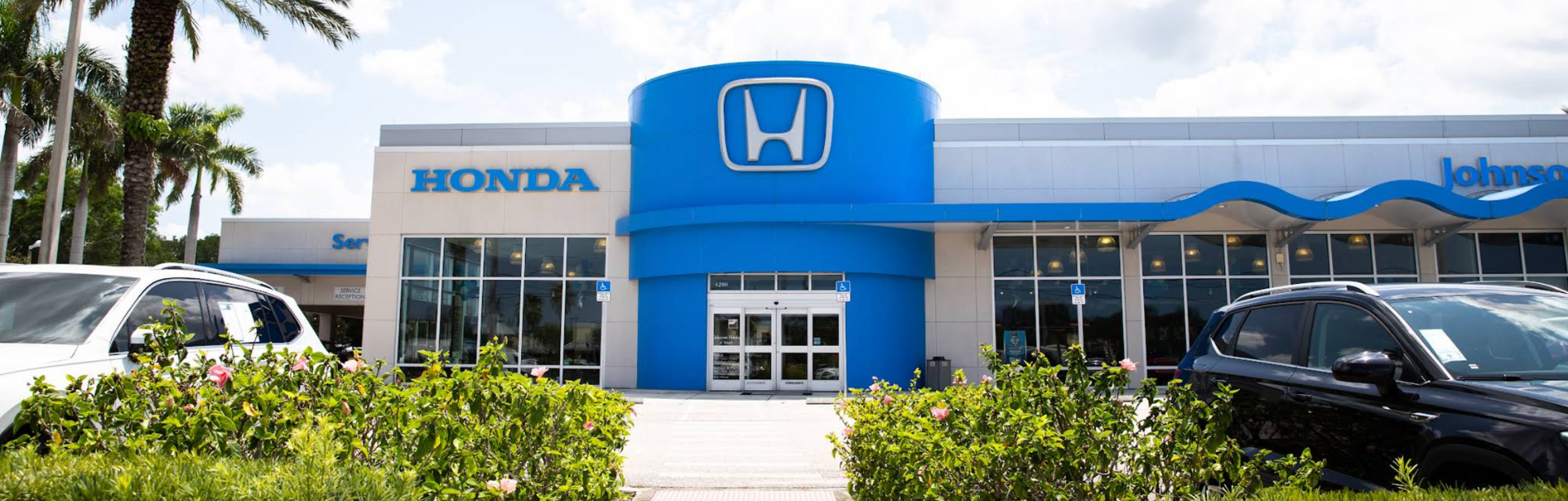
For over thirty years, Johnson Honda of Stuart has been dedicated to serving the Treasure Coast community with honesty, integrity, and a commitment to customer satisfaction. As a proud member of the Johnson Automotive Group, we strive to exceed expectations in every aspect of our business. Our award-winning team is here to provide an exceptional experience, whether you are purchasing a new vehicle or visiting our state-of-the-art service center.
Related Articles:
Your Essential Guide to Finding the Best Honda Dealership in Stuart, FL
Categories:
Social
