

Author: Johnson Honda of Stuart
Trading in a vehicle is a significant financial event, often marking the transition from one chapter of life to another. Whether you are upgrading from a Civic to a Pilot to accommodate a growing family in Port St. Lucie, or downsizing from an Odyssey to a sleek Accord for your commute down US-1, the process requires careful thought. For drivers in Stuart, Jensen Beach, and the surrounding Treasure Coast communities, understanding the nuances of the local market is the key to success. At Johnson Honda of Stuart, we have decades of experience helping our neighbors navigate these waters, ensuring that every driver walks away with a fair and transparent deal. You can learn more about our commitment to the community on our About Us page. This guide is designed to be your roadmap, helping you bypass common pitfalls and secure the best possible return on your automotive investment.
- Know Your Numbers: Before you ever step foot on a lot, you must have a solid grasp of your vehicle's current market value using trusted third-party tools and local market research.
- Local Climate Impact: In our coastal environment, sun damage and salt air can affect value; addressing these cosmetic issues before an appraisal can significantly boost your offer.
- Tax Advantages: Trading in your vehicle at a dealership in Florida offers a distinct tax benefit where you only pay sales tax on the difference between the new car price and your trade-in value.
- Documentation is King: Arriving with a clean title, comprehensive maintenance records, and a vehicle history report establishes trust and proves you have been a responsible owner.
- Market Timing: Understanding when demand is highest in Stuart such as the need for reliable SUVs during storm season or fuel-efficient sedans for I-95 commuting can help you time your trade.
- Separation of Church and State: For the best financial outcome, negotiate the price of your new vehicle separately from the value of your trade-in to ensure clarity in the transaction.
How Can I Accurately Assess My Honda's Worth in Stuart?
The journey to a successful trade-in begins long before you hand over your keys for an inspection. It starts with knowledge. Without a clear, data-driven understanding of what your vehicle is worth, you are essentially navigating blind. To get a true picture of your Honda's value in the Stuart and Palm City area, you need to triangulate data from multiple authoritative sources.
Start your research with industry titans like Kelley Blue Book(KBB). These platforms use massive datasets to provide a baseline range for your specific year, make, model, and trim. However, do not stop there. Cross-reference those numbers with Edmunds to see if there is a variance. It is vital to look at the "Trade-In Value" rather than the "Private Party Value," as these are two distinct economic figures. The trade-in value accounts for the dealership's need to recondition, market, and resell the vehicle, whereas private party value assumes you are doing all that work yourself.
Once you have these national averages, you must apply a "local filter." The Treasure Coast market has its own unique heartbeat. Spend an evening browsing listings in Stuart, Fort Pierce, and Jensen Beach on sites like Autotrader. Look for vehicles that match yours in mileage and condition. Are 2026 Honda CR-V Hybrids selling quickly in Port St. Lucie? Is there a surplus of Honda Ridgelines in Palm City? If you see that your specific model is in short supply locally, that scarcity is a powerful negotiating tool. For instance, if you own a pristine 2026 Honda Passport TrailSport and there are none available within 50 miles, your trade-in command is significantly higher because dealerships need that inventory to satisfy local demand for rugged, adventure-ready vehicles.
Is It Better to Trade In or Sell Privately in Florida?
This is the most common dilemma drivers face. The decision ultimately comes down to a balance between maximizing convenience and maximizing potential cash return. In the unique market of Florida, however, there are specific financial implications that tilt the scales differently than in other states.
The Case for Trading In
- Immediate Sales Tax Relief: Florida tax laws provide a compelling reason to trade in. When you trade your vehicle at a dealership, the value of that trade is deducted from the purchase price of your new car before sales tax is calculated. For example, if you are buying a $35,000 vehicle and trading in a car worth $15,000, you are only taxed on the $20,000 difference. Given our state sales tax plus local discretionary surtaxes, this can keep hundreds, sometimes over a thousand dollars, in your pocket immediately.
- Safety and Security: Meeting strangers from the internet can be nerve-wracking. By trading in, you avoid the risk of having strangers come to your home in Jensen Beach or meeting in parking lots in Fort Pierce. You are dealing with a licensed, insured business entity, which eliminates personal safety risks.
- Time Efficiency: Time is our most limited resource. A private sale involves cleaning the car, taking photos, creating listings, responding to emails, dodging scams, and scheduling test drives that often result in "no-shows." A trade-in transaction at a dealership is typically concluded in a single afternoon. You drive in with your old car and drive out with your new one.
The Case for Selling Privately
- Higher Gross Sale Price: If you are willing to put in the work, selling privately can yield a higher sale price. You are essentially paying yourself for the labor of marketing and showing the car. If you have a rare model, like a Civic Type R, finding a specific enthusiast buyer directly might result in a premium that a general dealership might not offer.
- No Purchase Necessary: If you are looking to simply get rid of a vehicle without replacing it perhaps you are downsizing to a one-car household in a retirement community in Hobe Sound selling privately or selling outright to a dealer are your primary options.
How Does the Florida Climate Affect Vehicle Preparation?

Living on the Treasure Coast is paradise, but our environment can be tough on automobiles. The intense UV rays, heavy tropical rains, and proximity to the ocean all take a toll. When preparing your car for appraisal, addressing these specific environmental factors can make a substantial difference in the offer you receive.
Exterior Attention
- The Salt Factor: If you live on Hutchinson Island or frequently park near the beach in Stuart, salt spray is a reality. Before your appraisal, perform a thorough undercarriage wash. Appraisers will look underneath the vehicle for corrosion. A clean underbody suggests you have been diligent about rinsing off the salt.
- Paint Correction: Our Florida sun is relentless. If your headlamps have become foggy or yellowed from UV exposure, restore them. Bright, clear headlights instantly make a car look years younger. Similarly, a high-quality clay bar treatment followed by a wax can revive paint that has been dulled by the sun, making the car pop on the lot.
- Glass Care: We get a lot of sudden, heavy downpours. Ensure your wiper blades are fresh and your windshield is free of streaks. Water spots on the glass from hard water sprinklers are common here; removing them with a vinegar solution or specialized glass polish shows an attention to detail that appraisers love.
Interior Revival
- Sand Management: It gets everywhere. Use a high-powered shop vac to remove every grain of sand from the carpets, especially in the crevices between the seats and the center console. Sand is abrasive and wears down carpet fibers; removing it shows you care about longevity.
- AC Performance: In Stuart, air conditioning is not a luxury; it is a life support system. Ensure your AC blows ice cold. If there is even a hint of musty smell common due to our humidity change the cabin air filter. A fresh-smelling, cool interior is crucial for a good first impression.
What Documentation Do I Need specifically for Florida?
Florida has very specific bureaucratic requirements for vehicle transfers. Arriving with a disorganized pile of papers or worse, missing documents can stall your trade-in and cause unnecessary stress. Being prepared signals that you are a serious business partner in this transaction.
- The Florida Title: This is the Holy Grail. If you own your vehicle outright, you must have the physical paper title. Florida titles can be electronic; if yours is, you don't need the paper, but you must be the verified owner in the DHSMV database. If you have a loan, bring your lender's information, including the account number and a recent payoff quote.
- Valid Registration: Your current registration card helps verify ownership and ensures the plates can be legally transferred or canceled.
- Driver's License: All titleholders must be present with valid identification to sign the transfer documents.
- Service Records: This is your "proof of life" for the car. In a humid climate, regular oil changes and fluid flushes are critical. If you have a folder showing every service visit to a local shop or dealership, bring it. It proves that the car hasn't been neglected.
- All Keys and Remotes: Modern key fobs are expensive to replace. If you have both sets, make sure they are with you. Missing a key can result in a deduction from your trade-in offer because the dealer will have to purchase and program a new one.
How Can I Leverage Local Demand in Stuart?
Understanding the local lifestyle in Martin and St. Lucie counties gives you an edge. Different vehicles serve different purposes here, and highlighting how your car fits the local lifestyle can help you during negotiation.
- The Commuter Angle: Many residents in Port St. Lucie commute south to West Palm Beach or north to Fort Pierce via I-95 or the Turnpike. If you are trading in a fuel-efficient vehicle like a Honda Civic or Accord Hybrid, emphasize its highway mileage capabilities. These cars are gold for commuters looking to save at the pump.
- The Family/Adventure Angle: For families in Palm City or Jensen Beach who spend weekends hauling soccer gear to parks or towing a boat to the St. Lucie River, SUVs like the Pilot and Passport are in high demand. If your vehicle has a tow hitch or roof rails, point them out. These accessories add real value for the local buyer who lives an active, outdoor lifestyle.
- The Student Angle: With Indian River State College campuses nearby, there is always a market for reliable, safe, and affordable transportation for students. A well-maintained older Fit or HR-V is perfect for this demographic. If your car has high safety ratings or new tires, mention that it would make a "perfect first car for a local student."
What Are the Best Strategies for Negotiation?

Negotiating a trade-in does not have to be a battle. It should be a business discussion based on facts and data. The most successful traders separate the emotion from the transaction and focus on the numbers.
- Get a Baseline: Before you visit the dealership where you intend to buy, consider getting a written appraisal from a major chain or another dealer. This gives you a floor a guaranteed price you can fall back on. It acts as an anchor in your negotiations.
- Keep Transactions Separate: Dealerships often use a "four-square" worksheet that mixes the price of the new car, the trade-in value, the down payment, and the monthly payment. This can get confusing. Politely insist on settling the price of the new vehicle first. Once that is agreed upon, introduce the trade-in. This transparency ensures you know exactly what you are getting for your car.
- Highlight Recent Investments: Did you just put new Michelin tires on the car for the rainy season? Did you recently replace the battery or the brakes? These are tangible costs the dealer won't have to incur. Bring receipts and say, "I just spent $800 on new tires, so the car doesn't need reconditioning in that area. I believe that adds value to the trade."
- Be Honest About Condition: If your car has a door ding from a parking lot in Downtown Stuart or a scratch on the bumper, be upfront about it. Trying to hide flaws destroys credibility. When you point them out yourself, you control the narrative and can frame them as minor cosmetic issues consistent with the vehicle's age.
Why is Vehicle History so Critical?
In the era of information, transparency is the currency of trust. A vehicle history report is the resume of your car. Reports from providers like Carfax or AutoCheck reveal if the car has been in accidents, if it has a salvage title, or if it has been flooded a genuine concern in Florida.
If you are the original owner and the car has a clean history, this is a massive selling point. It means there are no mystery stories or hidden damage. If your car was involved in a minor fender bender on Kanner Highway years ago, having the paperwork showing it was professionally repaired with OEM parts can mitigate the loss in value. It shows that you didn't cut corners.
Furthermore, recall status matters. Check the NHTSA website to ensure all open safety recalls have been addressed. A dealership cannot sell a car with an open safety recall, so they will have to perform the work. If you have already done it, you save them time, which can reflect positively on your offer.
How to Handle a Private Sale safely in Stuart?
If you decide that the private market is the route for you, safety must be your top priority. Stuart and the surrounding areas are generally safe, but caution is always warranted when dealing with high-value transactions.
- Meeting Locations: Never meet a stranger at your home. Choose a high-traffic, public area with surveillance cameras. Many local police departments in the Treasure Coast area offer "Safe Exchange Zones" in their parking lots specifically for this purpose. The parking lot of a busy shopping center in Jensen Beach or a bank lobby in Port St. Lucie are also good options.
- Payment Verification: Fraud is sophisticated. Do not accept personal checks or complex wire transfer promises. The safest form of payment is a cashier's check drawn from a local bank that you can verify, or meeting the buyer at their bank to witness the funds being withdrawn.
- Title Transfer: Do not hand over the keys until the title is signed and the money is in your hand. In Florida, you must fill out the "Transfer of Title by Seller" section on the title certificate. Be sure to record the exact odometer reading.
- Release of Liability: This is crucial. Immediately after the sale, file a Notice of Sale (Form HSMV 82050) with the Florida DHSMV. This legally disconnects you from the vehicle. If the new owner speeds through a toll on the Turnpike or gets a parking ticket in downtown Stuart five hours later, you do not want that coming back to you.
Frequently Asked Questions (FAQs)
How does the Stuart area weather affect my trade-in value?
The intense Florida sun and salt air can accelerate wear on your vehicle's paint, headlights, and rubber seals. Cars that have been garage-kept or regularly waxed to protect against UV damage and salt corrosion typically command a higher trade-in value in our local market because they require less reconditioning.
Can I trade in a car if I still have a loan with a local credit union?
Absolutely. We handle payoffs with local lenders and national banks daily. We will contact your lender to get the precise 10-day payoff amount. If your trade-in value is higher than what you owe, the equity is yours to use; if it is lower, we can discuss options for rolling the difference into your new financing or paying it off.
Is it worth fixing minor scratches before trading in at a dealership?
Generally, major bodywork is best left to the dealership because we can perform repairs at wholesale costs much lower than what you would pay retail. However, for very minor scratches or dull paint, a thorough detail and wax can improve the curb appeal significantly for very little cost, potentially bumping up your appraisal tier.
What specific documents do I need to bring for a trade-in in Florida?
You must bring your valid vehicle registration, your driver's license, and all keys/fobs for the vehicle. If you hold the title, bring the physical paper title. If you have a loan, bring your lender's account information. Bringing your maintenance records also helps us verify the car's care history, which can increase its value.
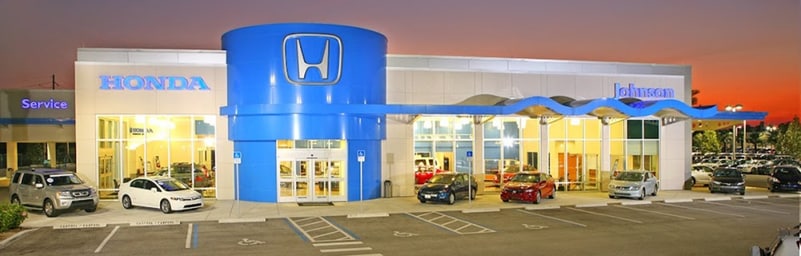
About Johnson Honda of Stuart
As a family-owned and minority-owned business, Johnson Honda of Stuart has proudly served our community since 2008. We are honored to be recognized as a 2024 Honda President's Award winner, a testament to our commitment to excellence in every department. Our team is dedicated to providing an outstanding customer experience, whether you're purchasing a new vehicle or visiting our expert service center. We believe in giving back to our community by supporting local organizations like the Humane Society of the Treasure Coast and GFNF4Kids. We invite you to visit us and see why so many customers trust our award-winning team for all their automotive needs.
Related Articles:
Your Essential Guide to Finding the Best Honda Dealership in Stuart, FL
